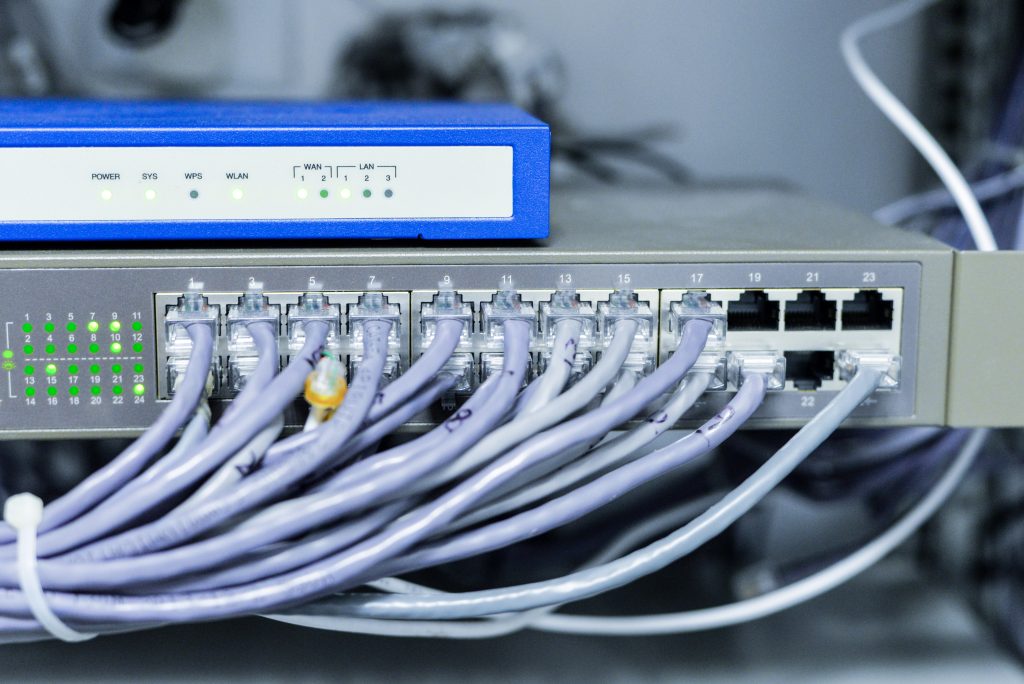
IP protocol fundamentals are the language that guides data from one point to another across networks. Understanding IP is crucial for anyone involved in the management and operation of networked systems. It underpins virtually all forms of digital communication and data exchange.
This guide aims to demystify IP protocol fundamentals, offering essential insights into its mechanisms and significance in today’s interconnected world.
Are you ready to enhance your organization’s network management and security with IP protocol fundamentals? Schedule a discovery call today!
What is IP Protocol?
IP Protocol is the principal set of rules governing the data format sent via the Internet or local network. Think of IP as the postal service of the Internet. It ensures that data packets sent from one device find their way to the correct destination device using a system of unique addresses (IP addresses).
Core Functions of IP Protocol
1. Addressing: The IP addressing system ensures each device connected to the internet is assigned a unique IP address. This address is used to identify the sending and receiving points for data packets, similar to how a home address is used to receive mail.
2. Routing: IP determines the most efficient path for data to travel across networks. Routers within the network read the destination address on each packet and guide the packet along the route.
3. Fragmentation and Reassembly: Network data transmission processes break down large data packets into smaller, manageable pieces for efficient transmission and reassembles them at the destination.
4. Error Handling and Diagnostics: IP has data routing mechanisms that detect errors in transmission. However, it doesn’t correct them. That’s a task for higher-level protocols.
Why IP Protocol Matters
- Universality: IP is the universal language of the internet. It allows diverse systems and devices to communicate regardless of their underlying hardware or software.
- Scalability: The IP addressing system is designed to accommodate many devices, which is crucial for the expanding Internet and the burgeoning Internet of Things (IoT).
- Foundation for Advanced Protocols: TCP (Transmission Control Protocol) and other high-level protocols, build on IP protocol fundamentals to offer additional functionalities, such as reliable connection-oriented communication.
Versions of IP Protocol
1. IPv4: The fourth version of IP, IPv4, is the most widely used version. It uses 32-bit addresses. However, IPv4 is gradually being replaced by the next version due to the limited unique addresses it can provide.
2. IPv6: IPv6 addresses the limitations of IPv4, offering 128-bit addresses, which exponentially increase the number of possible unique addresses. This version is critical to future internet scalability of the internet.
Considerations for Organizations
- Transition to IPv6: Organizations must ensure their systems and networks are compatible with IPv6 to prepare for the inevitable shift to the new version.
- Security: IP addresses can be points of vulnerability. IP protocol fundamentals are essential for implementing robust security measures.
- Network Design and Management: A solid grasp of IP fundamentals will enable effective network design and management, efficient data flow, and system interoperability.
Unlock seamless EtherNet/IP integration with NetStaX – the trusted development solution for reliable, interoperable device communication. Explore how NetStaX can streamline your embedded software needs for enhanced connectivity and efficiency.
Embrace the Power of IP Knowledge
IP protocol fundamentals are the backbone of digital networking. They enable the seamless flow of information across the globe. Modern organizations must get on board to ensure operational efficiency, scalability, and security. Leaders who master IP fundamentals can make informed decisions that propel their organizations forward in today’s interconnected world.
Elevate Your Network with Expert IP Insights
Are you ready to enhance your organization’s network management and security? Contact us for expert guidance on IP protocol. We will ensure your network infrastructure is optimized for today’s digital demands. We will empower your organization with the knowledge and tools to succeed in the interconnected digital landscape.